Introduction
In today’s digital age, we all have our own unique place on the internet. Digital footprint This footprint isn’t limited to just social media posters but includes email’s search history, online purchases, and even your likes and comments. Colleges and universities today don’t just rely on academic results and test scores, but rather on applicants, online behavior Let’s also check this
In this article, we’ll take a closer look at how colleges check your digital footprint, why it’s important, and how you can protect your online reputation. Whether jobs and employers also check digital footprint and not.
What is a digital footprint?
Digital footprint means your online activities are a permanent record. Whenever you post on social media, like/share a video, write a blog and comment online _ it’s all traceable.
There are two types of digital footprint:
- Active digital footprint_ What you create yourself, like social media, photos, tweets, blogs.
- Passive digital footprint_ Which is generated without your knowledge, such as cookies on websites, browsing data, location history.
Why do Colleges care About digital Footprint
Admission to colleges is an investment. They want their students to be not only academically smart, but also responsible, socially aware and professionally, suitable.
Colleges key reasons.
- Character assessment _ colleges get an idea about the attitude of students from social media.
- Cultural Fit_ They check whether the applicant will fit in with their campus culture and not.
- Red Flags_ If someone shares hate speech, bullying, drugs, offensive content then it becomes a red flag.
- Achievements verification_ Many students mention extracurricular activities on their resumes and applications. Colleges sometimes verify these claims by conducting an online search.
How do Colleges Check Your Digital Footprint
Colleges do not have any “secret hacking tool”, but they use smart methods.
- Google Search_ Admission officers search applicants’ names on google. If your name
is unique; they can easily find results.
- Social Media screening_ Your posts can be checked on Facebook, Instagram, Tiktok,
LinkedIn, X (Twitter).
- Public Records_ If you have written blogs, participated in online competitions and
made publications, they are all easily visible.
- Third-party Tools_ Institutions use AI-based tools that scan applicant’s online
Search result for your name.
- . Recommendations & References_ Sometimes online posts of your teachers and
peers also indirectly become a part of your footprint.
Do Colleges Look at Digital Footprints?
Yes, many colleges actively check students’ digital footprints especially in countries like the US, UK, and Canada.
According to survey reports, around 30-40% of admission officers in the U.S. have admitted that they check applicants’ social media profiles.
If a student has a positive digital footprint is negative _ such as professional achievements, on linkedin, bloods on Medium and educational content on YouTube, they benefit from it.
But if the digital footprint is negative _ such as offensive memes, drug/alcohol related posts and online bullying _ then admission may be rejected.
Do Jobs Check your Digital Footprint?
Absolutely! Nowadays, not only colleges but employers also give importance to digital footprint.
According to surveys of hiring managers, 70/80% of recruiters check the online presence of applicants during the hiring process.
- Linkedin profile, Github contributions (for tech jobs), portfolio websites and even X (Twitter) par industry-related posts hiring decision of influence we are doing.
- Negative footprint like offensive posts, political trolling, and unprofessional behavior reduces the chances of getting jobs.
Example:
If an applicant states in their resume that they are a “team player”, but have constant fights and arguments on Twitter an employer will think twice before hiring them.
Examples of Digital Footprint Impact
- A U. S. Student’s Harvard admission was revoked because he shared offensive memes in a private Facebook group.
- Many job applicants get rejected when controversial and inappropriate content is found on their instagram
- On the other hand, many students got extra benefit when their YouTube channel was providing educational content and internships were showcased on linkedin.
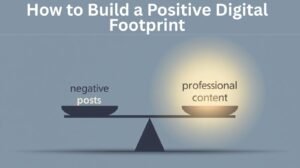
How to Build a Positive Digital Footprint?
If you are a student and a job seeker, you can make your footprint positive and impressive.
1.Clean your social media _ Delete old offensive posts, memes, and unnecessary comments.
2. Creating a Professional Linkedin Profile _ Linkedin is the most important platform for networking.
3. Showcase Achievements _ If you have certificates, projects and blogs, share them publicly.
4. Search yourself online _See the impression your digital footprint creates.
5. Privacy Controls _Project your online space by adjusting who can see your content.
6. Post valuable content _ Use your online presence to share inspiring and career-oriented content.
Legal and Ethics of Digital Footprints
When reviewing digital footprint, colleges and companies must respect data protection laws like GDPR and CCPA, which limit them to publicly available information. This means that your private DMs, locked account, and password protected content cannot be legally checked. But anything you share publicly is open for review.
Guidance from parents and teachers
Parents and Teachers need to instill digital literacy skills in students from a earlt age.Workshops and awareness sessions can help them understand how a small careless post can lead to future problems. “Cyber hygiene” and “ responsible online behavior” are not becoming part of the school curriculum.
Global Perspective
- USA & UK_ Here the admission officers are very strict and actively check the social profiles of applicants.
- Canada _ maintains a balanced approach with a positive footprint considered a plus point.
- India & Pakistan_ This trend is not as common right now but large universities and private employers are moving in this direction.
Digital footprints & Scholarships
Scholarship committees are also now looking at students’ footprints. Showcasing evidence of community service, volunteering, and leadership activities online automatically improves your scholarships chances.
Steps to Audit Your own Digital footprint
- Put your name on Google and see what result the public gets.
- Delete old irrelevant and offensive posts using social media cleanup tools like “Scrubbe” and tweet delete.
- Optimize your portfolio and linkedin profile so that it represents the best version of you.
- Online reputation management services are also available that suppress your negative results and promote positive results.
Future of Digital Footprint in Admissions and Jobs
AI and machine learning will become more advanced in the future. Colleges and employers will be able to instantly analyze your Digital reputation with automated tools.
- A positive online presence will work like a digital resume.
- Negative content will become a barrier for you.
- Students will now have to be conscious that one of their tweets and instagram stories can inspect their future.
Role of Digital Footprint in networking & Opportunities
Your digital footprint is not only about risks, it can also open new doors for growth. Many students and professionals receive opportunities through their online presence. For example recruiters often reach out to candidates directly on linkedin after viewing their projects, blogs, and posts. Similarly students, showcasing their research papers coding project and design portfolios online attract scholarships, internships and collaborations. A positive footprint builds trust and credibility making it easier for others to connect with you. In the long run, your digital presence becomes an asset that supports your academic and career journey.
Conclusion
Both colleges and jobs today take your digital footprint seriously. It reflects your personality, character and professionalism. If you want it to have a positive impact on your admission and job opportunities keep your digital presence clean and professional.
Also Read
What Can You Buy With Amazon Digital Rewards
Why are Mobile Devices Critical to a Digital Forensics Investigation